Our Approach
Our Approach
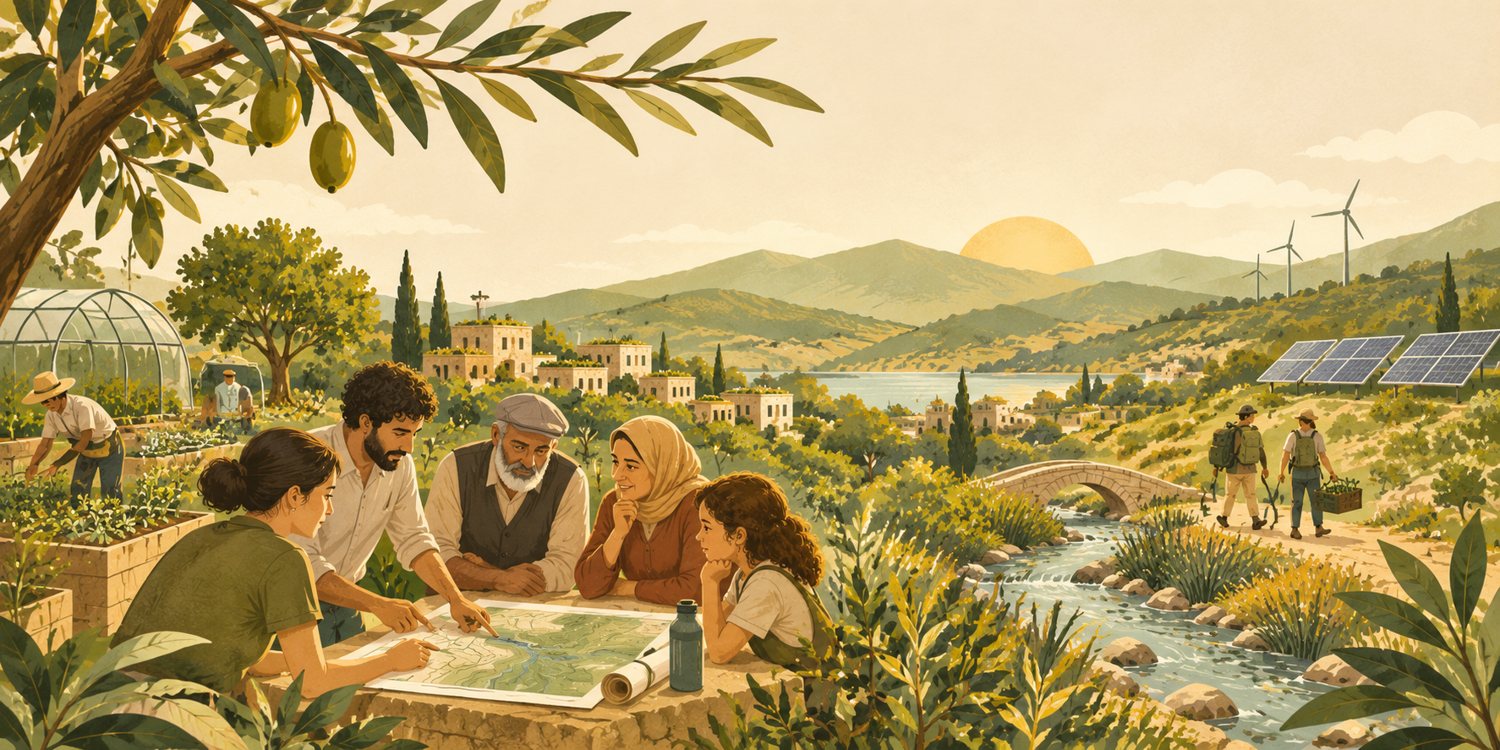
We do not seek to create solutions on behalf of communities; we seek to build systems that enable communities to develop their own solutions. We believe resilient communities are built through access to knowledge, productive capacity, economic opportunity, and the ability to work collectively toward shared goals. Therefore, every initiative we undertake is designed not only to solve today’s challenges, but also to prepare communities for the uncertainties of tomorrow.
Resilience Framework
We believe that human mobility is rarely the root cause of vulnerability. More often, it is the visible outcome of interconnected challenges affecting climate resilience, food systems, sustainable livelihoods, and local development.
Climate change places increasing pressure on natural resources, agricultural production, and local economies. As livelihoods become less secure and food insecurity grows, communities face greater social and economic vulnerability. When these pressures remain unresolved, they increase the risk of displacement and deepen long-term dependence on humanitarian assistance.
Too often, interventions address only the symptoms of these challenges. Humanitarian assistance saves lives and remains indispensable during crises, yet lasting resilience requires addressing the underlying drivers that create vulnerability in the first place.
Our theory of change is founded on a different perspective. We believe that strengthening community resilience before crises escalate, and supporting sustainable recovery where displacement has already occurred; creates more durable and equitable development outcomes.
For this reason, International Humanitarian Resilience Organization works to connect research, innovation, locally led action, strategic partnerships, and evidence-informed policy into a continuous learning and implementation cycle. Rather than treating climate adaptation, livelihoods, food systems, and human mobility as separate sectors, we integrate them into a single resilience framework designed to strengthen the capacity of communities to anticipate, adapt, recover, and thrive.
We believe that resilient communities are not created through isolated projects, but through systems that continuously generate knowledge, strengthen local capacities, foster collaboration, and translate evidence into practical action. By reinforcing these interconnected systems, communities become better equipped not only to withstand future shocks but also to pursue sustainable development on their own terms.
Ultimately, we believe that investing in community resilience today reduces humanitarian vulnerability tomorrow. This is the pathway through which International Humanitarian Resilience Organization seeks to contribute to lasting, measurable, and scalable impact.
From knowledge to action. From action to lasting change.
From evidence to impact
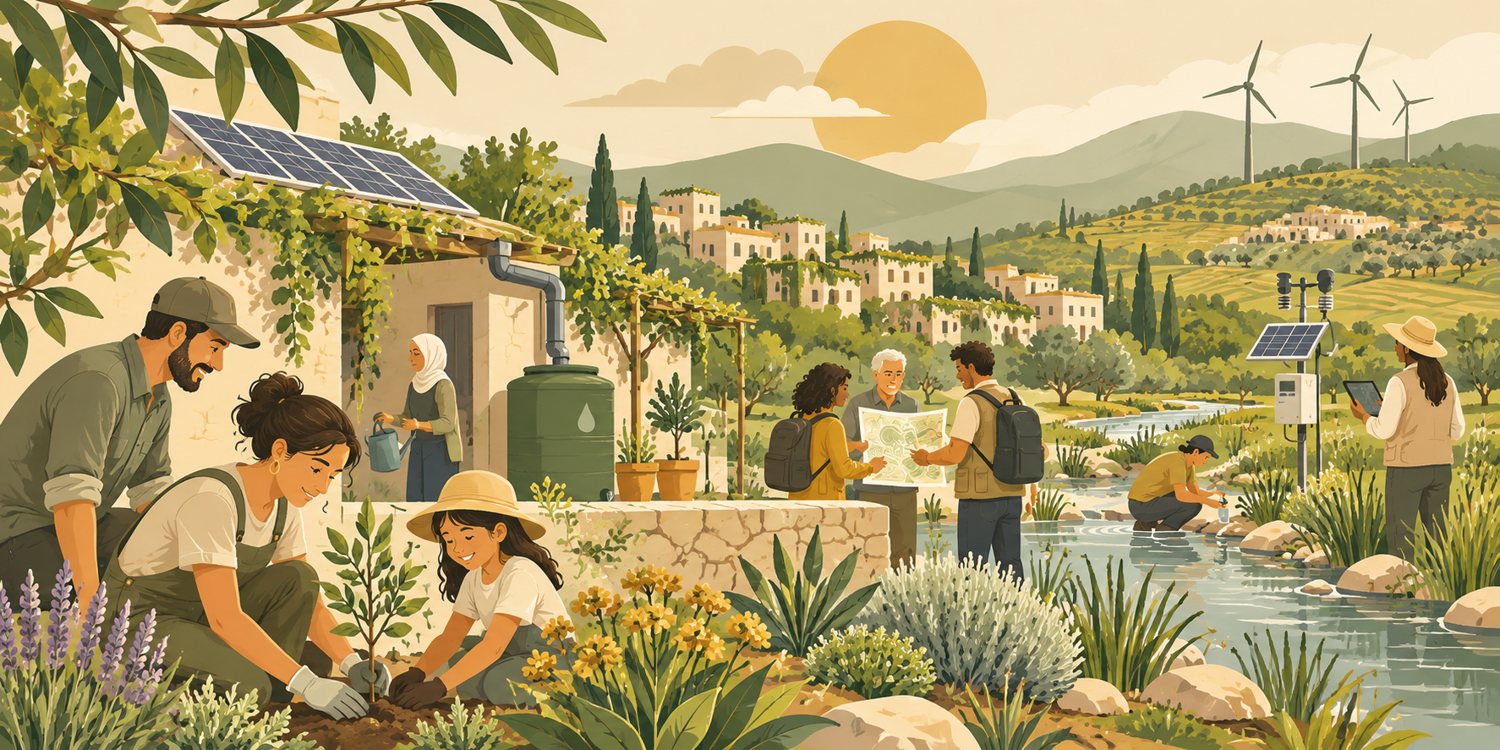
Our intended working model is a continuous cycle rather than a one-off intervention. It connects community knowledge, research, design, testing, evaluation, and learning to strengthen the relevance and sustainability of future initiatives.
Research & listening
Understand community priorities, existing capacities, and structural risks.
Co-design
Develop locally appropriate options with communities and relevant institutions.
Pilot implementation
Test promising approaches in context before broader application.
Measurement
Track outputs, outcomes, and unintended effects.
Learning & improvement
Adapt methods based on evidence and stakeholder feedback.
Policy engagement
Share relevant learning to inform decisions and programmes.
Responsible scaling
Explore replication or adaptation only where evidence and context support it.