Our Focus Areas

Six interconnected areas, one shared purpose.

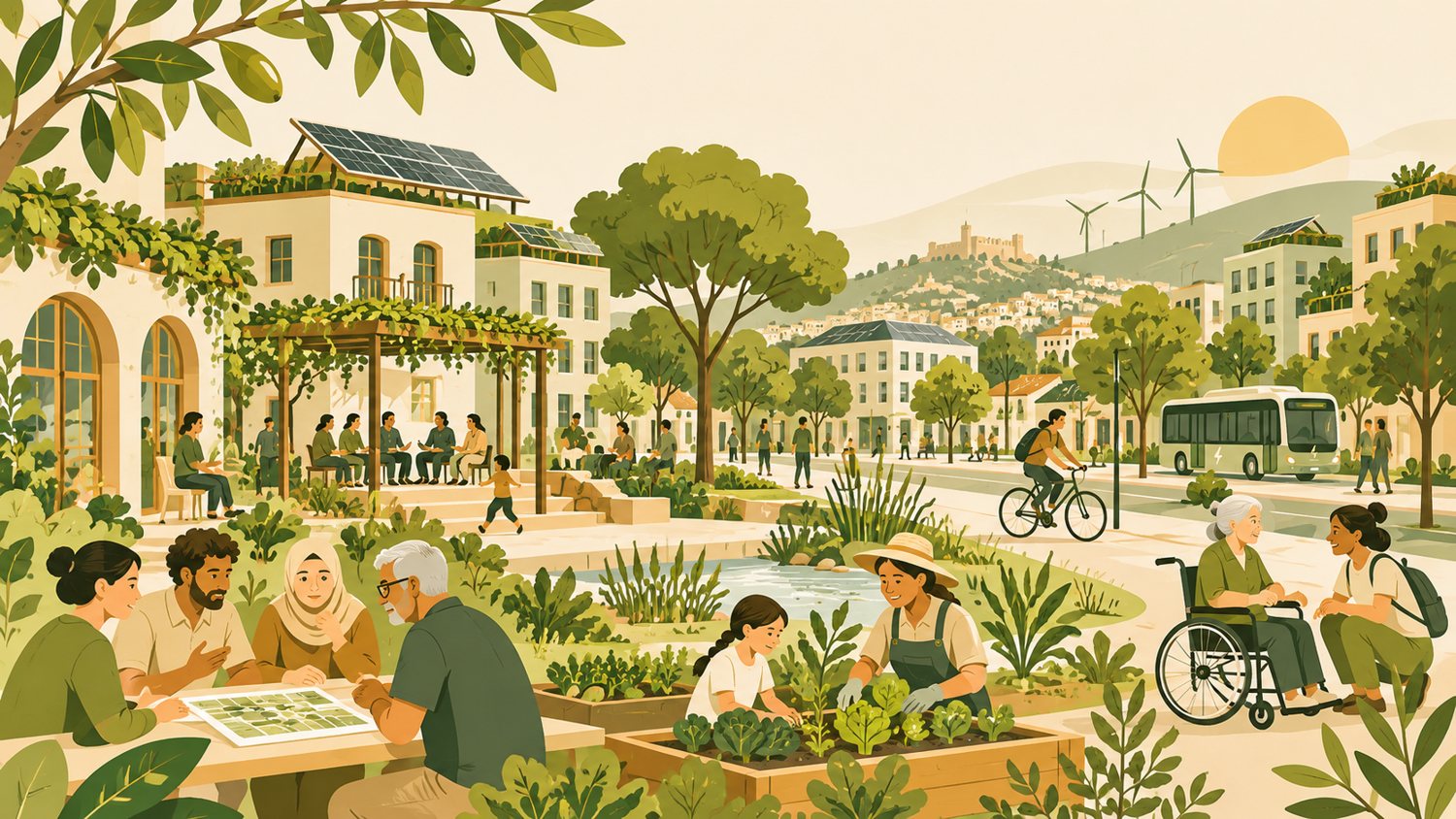
Conceptual landscape illustrating sustainable livelihoods and environmental systems

International Humanitarian Resilience Organization approaches community resilience not as the sum of separate sectors, but as an interconnected system shaped by the interaction of climate, food systems, livelihoods, human mobility, knowledge, and local capacity. Accordingly, our work focuses on six interconnected areas.

Our Focus Areas

Climate Adaptation & Community Resilience

We seek to strengthen the capacity of communities to anticipate the current and future impacts of climate change, adapt to changing conditions, and build resilience to environmental, social, and economic shocks.

Resilient Food Systems

We develop and support solutions that strengthen the sustainability of food production and access in the face of climate change and increasing pressure on natural resources, while advancing local production capacity, resource efficiency, innovative agricultural approaches, and food security.

Sustainable Livelihoods & Local Economies

We contribute to the development of sustainable livelihood models that strengthen the long-term economic resilience of individuals and communities, expand productive capacity, and support the growth of local economic opportunities.

Human Mobility & Displacement

We approach human mobility not simply through the movement of people itself, but within the broader system of climate change, livelihoods, food insecurity, environmental pressures, and development. We focus on approaches that reduce the risk of vulnerabilities leading to displacement while supporting sustainable recovery and renewed resilience where displacement has already occurred.

Research, Evidence & Policy

We seek to generate research that connects field experience with scientific knowledge, support evidence-based decision-making, and translate lessons from implementation into knowledge that contributes to more effective policies and programmes.

Innovation & Capacity Development

We view technology and innovation not as ends in themselves, but as tools for responding to real needs and strengthening community resilience. By strengthening the knowledge, skills, and implementation capacities of local actors, communities, and institutions, we support the long-term local ownership and sustainability of the solutions developed.

We do not treat these areas as isolated programme pillars, but as complementary dimensions of community resilience. Depending on the needs and context, we bring different areas of work together to develop integrated and adaptable solutions.

Resilience is not built in isolation.
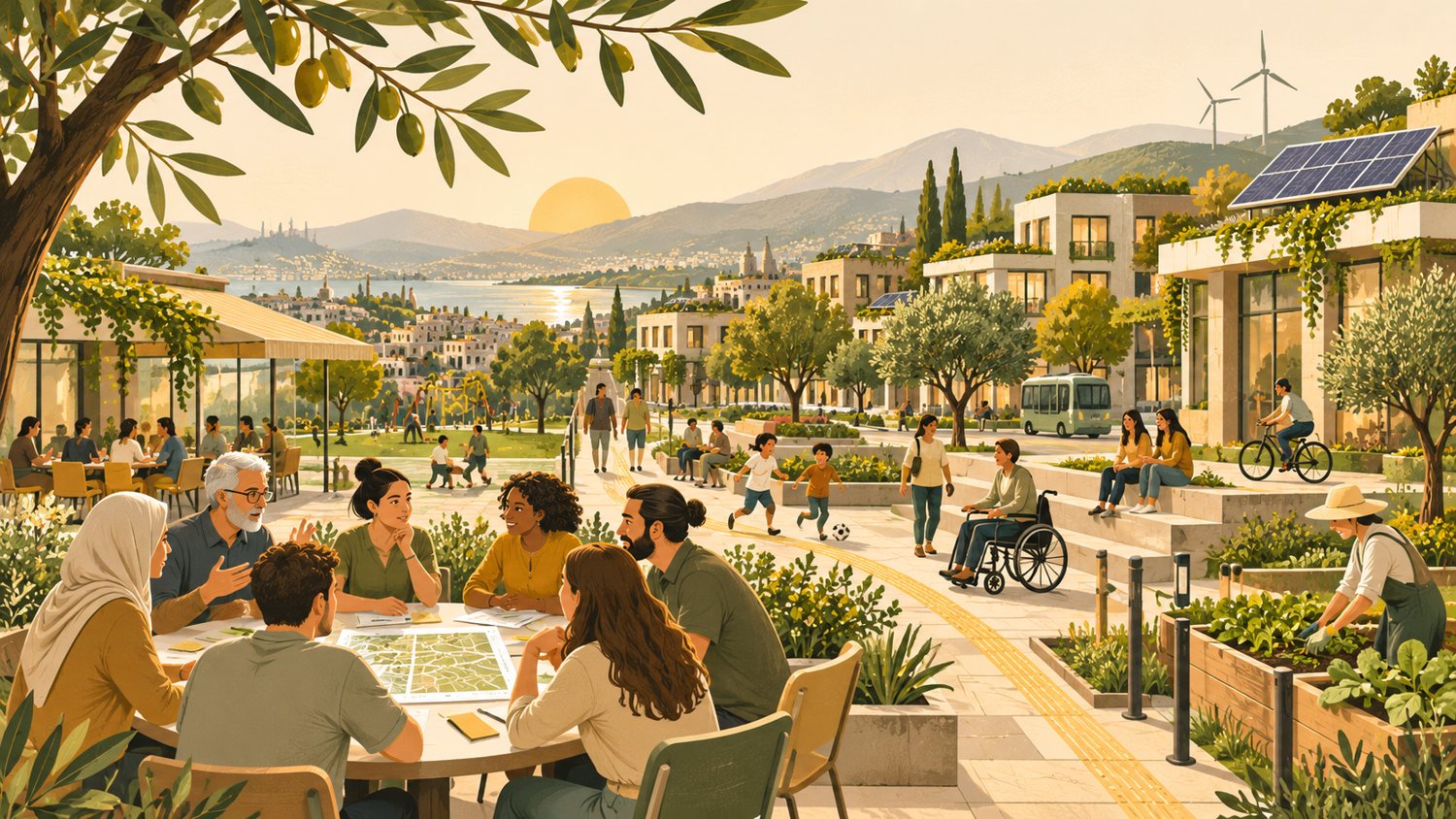
Conceptual food and climate resilience visual

Cross-cutting lens: Resilient Cities & Communities

Cities and local governments are vital to climate adaptation, inclusive development, and food-system resilience. We seek to connect community priorities with locally appropriate planning, stronger services, and practical partnerships that help urban communities anticipate and respond to change.

Cross-cutting lens: Social Inclusion & Humanitarian Solidarity

Resilience must be inclusive. We seek approaches that recognize human dignity, strengthen social cohesion, enable meaningful participation, and ensure that people affected by environmental and economic change help shape the decisions that concern them.

Sustainable Development Goals

Our intended work connects with the United Nations Sustainable Development Goals through climate adaptation, food security, livelihoods, inclusive communities, and partnerships. The goals below indicate thematic alignment—not UN endorsement, certification, or a claim of measured contribution.

Primary thematic alignment: SDG 2 Zero Hunger; SDG 8 Decent Work and Economic Growth; SDG 10 Reduced Inequalities; SDG 11 Sustainable Cities and Communities; SDG 13 Climate Action; SDG 17 Partnerships for the Goals.

Additional context-dependent connections: SDG 1 No Poverty; SDG 4 Quality Education; SDG 5 Gender Equality; SDG 6 Clean Water and Sanitation; SDG 12 Responsible Consumption and Production; SDG 16 Peace, Justice and Strong Institutions.